Impact Window Financing: How to Afford Home Protection
Published 2026-03-18 • 5 min read
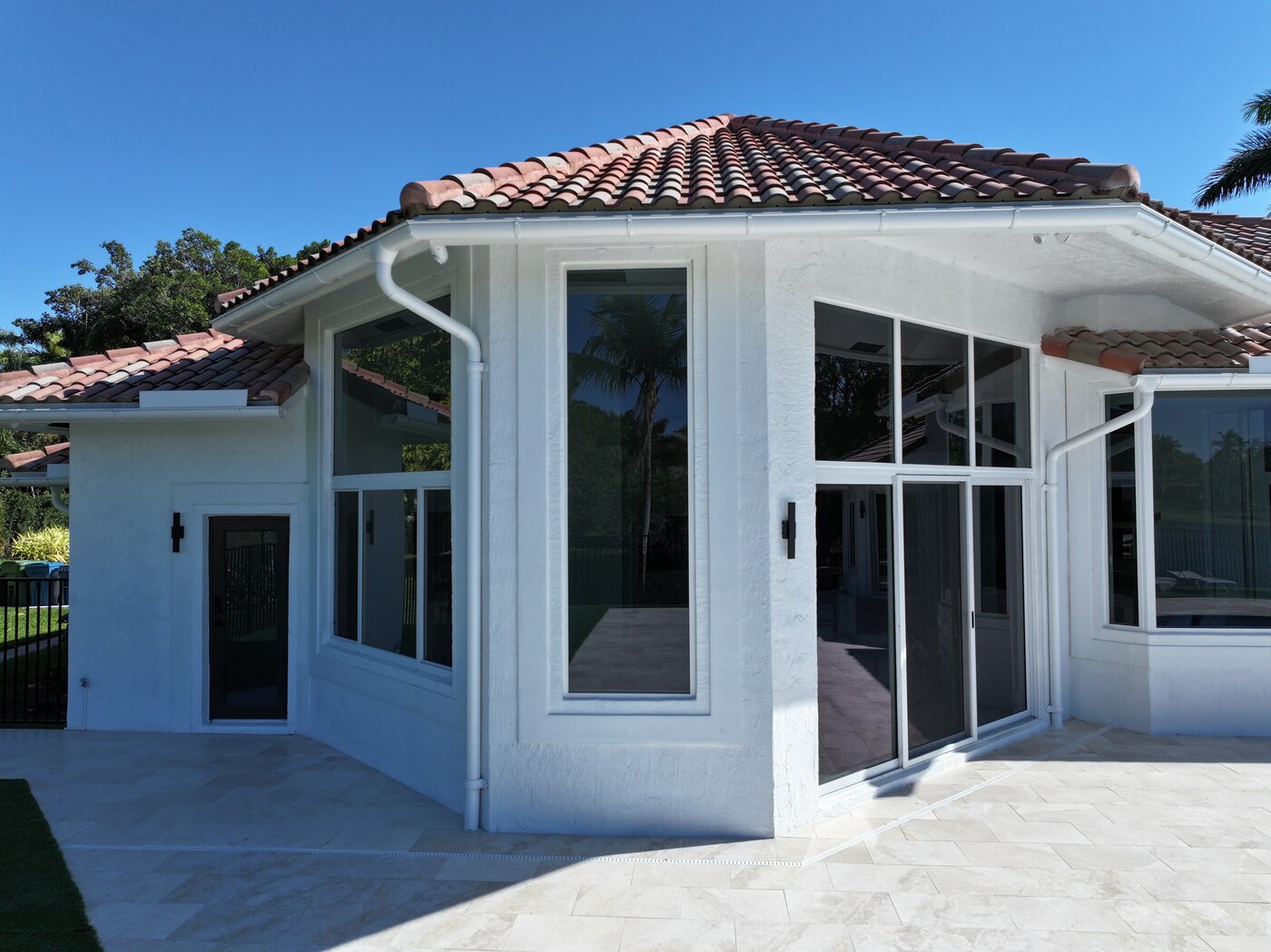
Impact windows and roofing are significant investments. For most homeowners, paying the full project cost upfront is not practical. The good news is that multiple financing options make it possible to protect your home now and pay over time, often with monthly costs that are partially offset by insurance and energy savings.
Why Financing Makes Sense for Home Protection
Hurricane season does not wait for your savings account to grow. Every year your home goes without proper protection is another year of risk. A single unprotected window can allow wind and rain into your home during a hurricane, causing tens of thousands of dollars in damage to walls, floors, furniture, and personal belongings.
Financing lets you get protection installed now while spreading the cost over a manageable timeline. And unlike many financed purchases, impact windows start delivering financial returns immediately through lower insurance premiums and reduced energy bills.
Common Financing Options
Contractor financing programs: Many impact window and roofing companies partner with lending institutions to offer in-house financing. These programs are specifically designed for home improvement projects and often feature competitive rates, fast approval (sometimes in as little as 60 seconds), and flexible terms. This is the most convenient option since the contractor handles the paperwork.
Home improvement loans: Personal loans specifically for home improvements are available from banks, credit unions, and online lenders. These are unsecured loans (no collateral needed beyond your creditworthiness), typically ranging from $5,000 to $100,000 with terms of 3 to 15 years. Interest rates vary based on your credit profile.
Home equity lines of credit (HELOCs): If you have equity in your home, a HELOC can provide low-interest financing for your project. Interest rates are typically lower than personal loans because the loan is secured by your home. HELOCs offer flexibility since you can draw funds as needed during the project.
PACE financing (Property Assessed Clean Energy): Florida offers PACE programs that finance energy-efficient and hurricane-protection improvements. PACE financing is repaid through your property tax bill over 10 to 30 years. The unique advantage of PACE is that approval is based on your home's equity rather than your personal credit score. The financing stays with the property, so if you sell your home, the remaining balance transfers to the new owner.
What to Expect From the Process
Most contractor financing programs offer a streamlined experience:
- Application: You can typically apply during your in-home consultation. The application takes just a few minutes.
- Approval: Many programs offer decisions in 60 seconds or less. Approval amounts depend on your credit profile and the lending partner's requirements.
- Down payment: Zero-down options are common. Some programs may require a small down payment depending on the loan amount and your credit profile.
- Monthly payments: For a typical whole-house impact window project, monthly payments often start around $87 per month, depending on the project size, interest rate, and term length.
- Terms: Loan terms typically range from 3 to 20 years, giving you flexibility to choose a payment that fits your budget.
How to Compare Financing Options
When evaluating different financing options, focus on these key factors:
APR (Annual Percentage Rate): This is the true cost of borrowing, including interest and fees. Compare APR rather than just the interest rate since APR gives you the complete picture.
Term length: Longer terms mean lower monthly payments but more total interest paid. Shorter terms cost more per month but save on total interest. Choose a term that balances affordability with total cost.
Prepayment penalties: Some loans charge a fee if you pay them off early. Look for financing with no prepayment penalty, so you have the flexibility to pay it off faster if your financial situation improves.
Promotional rates: Some programs offer promotional 0% interest periods or reduced rates for the first year. Understand what the rate becomes after the promotional period ends.
The ROI That Offsets Your Payment
Here is what makes financing impact windows different from financing most purchases: the investment starts paying you back immediately.
- Insurance savings: Wind mitigation credits from full impact protection can save $1,000 to $3,000 or more per year on your insurance premiums
- Energy savings: Impact windows with Low-E coatings reduce cooling costs by 15% to 25%, saving $50 to $150 or more per month during peak summer months
- Home value increase: Impact windows add approximately 70% to 85% of their cost to your home's resale value
When you add up insurance savings and energy savings, many homeowners find that the net cost of their financing payment is significantly less than the sticker price suggests. In some cases, the combined savings nearly equal the monthly payment.
Credit Score Considerations
Most contractor financing programs work with a range of credit profiles. Prime borrowers (credit scores above 680) will qualify for the best rates and terms. Borrowers with lower credit scores still have options, though rates may be higher. PACE financing is an alternative for homeowners who may not qualify for traditional credit-based financing since it relies on property equity rather than personal credit.
If your credit score is a concern, talk to your contractor about the options available. A good company will present multiple financing paths and help you find the one that works for your situation.
Ready to Protect Your Home?
Schedule a free in-home assessment with our team. No obligation, no pressure.
Schedule Free Assessment